
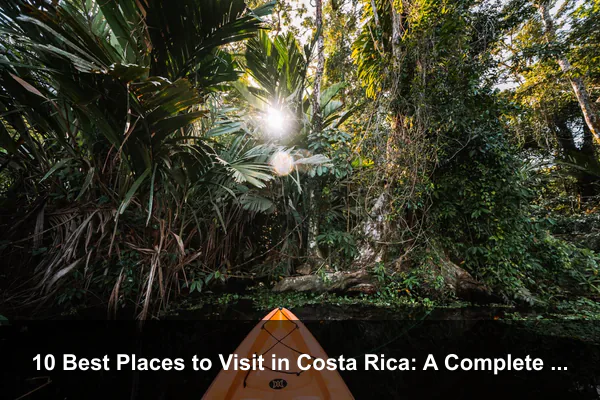
Costa Rica may look small on the map, but its microclimates create very different travel experiences, from misty cloud forests to dry Pacific surf towns and humid Caribbean canals. This plan highlights 10 places that each offer a distinct reason to visit, so your itinerary feels varied instead of repetitive.
Use the list to design a realistic route: pair one adventure base, one wildlife-heavy park, and one beach stop that matches the season. Each section includes quick logistics, best timing, and access details to help you choose what fits your days, budget, and transport style.
Arenal Volcano & La Fortuna
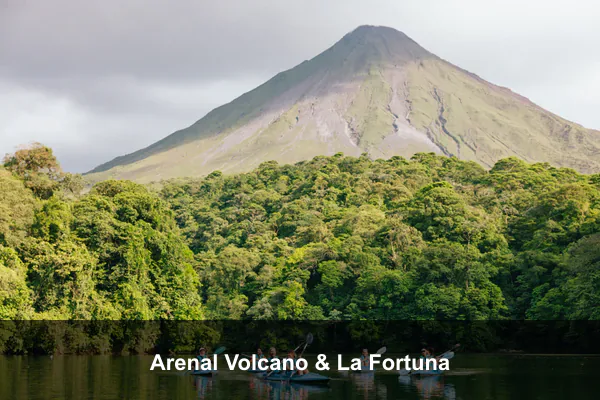
Arenal Volcano and La Fortuna in northern Costa Rica’s Alajuela Province is one of the easiest, most rewarding bases for first-time visitors: you get iconic volcano views, mineral hot springs, rainforest waterfalls, and beginner-friendly soft adventure, from easy lava-trail hikes to zip lines and gentle rafting stretches. Visit from December to April for the clearest volcano views, then relax in thermal pools after active mornings. The area is straightforward to reach by road in about 2.5 to 3.5 hours from either San Jose (SJO) or Liberia (LIR), making it ideal if you want variety without constant hotel changes. For a smoother experience, book hanging bridge walks at opening hour to avoid the biggest tour-bus crowds.
| Best for | First-time visitors, hot springs, soft adventure |
|---|---|
| Location | Northern Costa Rica, Alajuela Province |
| Best time | December-April for clearer volcano views |
| Access | 2.5-3.5 hrs by road from SJO or LIR |
Additional Info: Book hanging bridge walks at opening hour to avoid the biggest tour-bus crowds.
Monteverde Cloud Forest Reserve
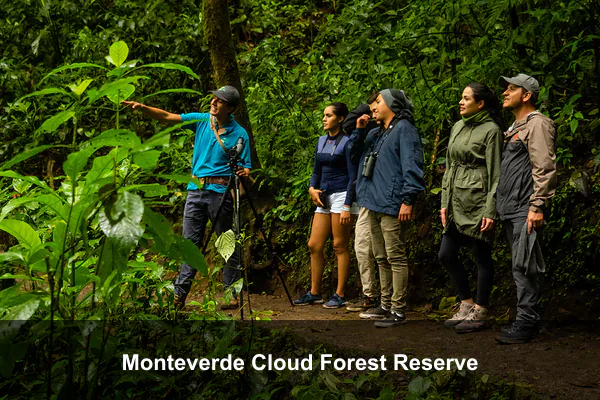
Monteverde Cloud Forest Reserve, in the Puntarenas highlands near Santa Elena, is one of Costa Rica’s top spots for birdwatching, cool mountain air, and misty forest trails rich with orchids, hummingbirds, and the resplendent quetzal. Spend the day on high-altitude paths and canopy viewpoints, then join a guided night walk to spot frogs, insects, and sleeping birds as the forest changes after dark. Visit January to April for drier, easier trails, or May to June for greener, lush scenery. Access is straightforward by shuttle in about 3–4 hours from La Fortuna or San José (SJO), and pack a light fleece since evenings can turn chilly quickly after rain.
| Best for | Birdwatching, cooler weather, forest trails |
|---|---|
| Location | Puntarenas highlands near Santa Elena |
| Best time | January-April for drier trails; May-June for lush forest |
| Access | 3-4 hrs by shuttle from La Fortuna or SJO |
Additional Info: Carry a light fleece because evening temperatures can drop quickly after rain.
Manuel Antonio National Park
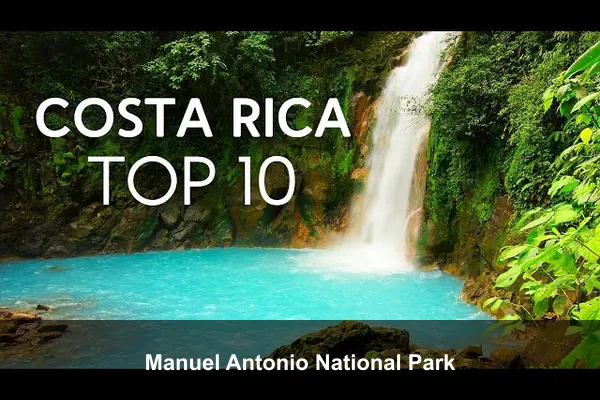
Manuel Antonio National Park, on Costa Rica’s Central Pacific coast near Quepos, is perfect for families who want easy wildlife encounters and classic beach-and-jungle days in one compact stop. Short, well-marked coastal jungle trails make it simple to spot monkeys, sloths, iguanas, and tropical birds, then cool off at calm, swimmable beaches like Playa Manuel Antonio and Espadilla Sur. Visit between December and April for the best beach weather and clearer trail conditions. From San José (SJO), plan about 3 to 3.5 hours by road, and use local buses from Quepos for convenient access. Buy park tickets online in advance, since daily entry caps often sell out.
| Best for | Families, monkeys and sloths, beach-and-jungle days |
|---|---|
| Location | Central Pacific coast near Quepos |
| Best time | December-April for beach weather |
| Access | 3-3.5 hrs by road from SJO; local buses from Quepos |
Additional Info: Buy park tickets online in advance since daily entry caps often sell out.
Corcovado National Park (Osa Peninsula)
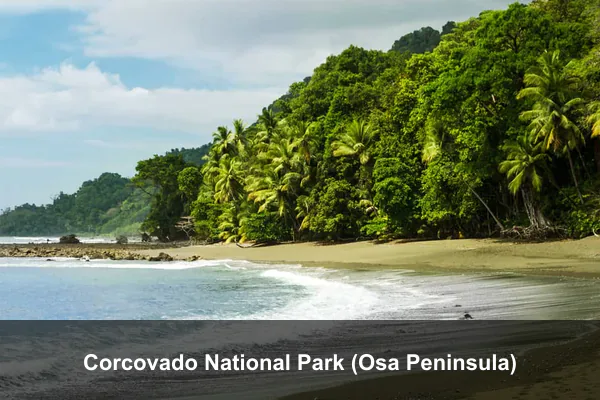
Corcovado National Park on the Osa Peninsula in Costa Rica’s South Pacific is the country’s most intense rainforest adventure, ideal for serious wildlife trips in a truly remote setting. Guided hikes and multi-day trekking routes through primary forest offer chances to spot scarlet macaws, tapirs, monkeys, and other rare species, with wild beaches and river crossings adding to the experience. The best window is January to April, plus September for calmer seas if you are arriving by water. Most visitors fly or take a bus to Puerto Jimenez or Drake Bay, then continue by boat or 4×4 to reach trailheads and ranger stations. Plan permits and guide bookings early, since entry rules and quotas can vary by station.
| Best for | Serious wildlife trips, remote rainforest, multi-day trekking |
|---|---|
| Location | South Pacific, Osa Peninsula |
| Best time | January-April and September for calmer seas |
| Access | Fly or bus to Puerto Jimenez/Drake Bay, then boat or 4×4 |
Additional Info: Plan permits and guide arrangements early because access rules vary by entry station.
Tortuguero National Park
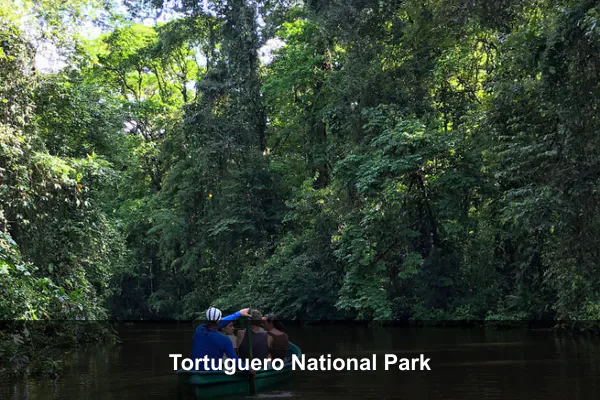
Tortuguero National Park on Costa Rica’s northern Caribbean coast in Limon Province is one of the country’s most distinctive low-road-impact destinations, where travel happens by canal and wildlife appears at every bend. Come for dawn boat safaris through rainforest waterways to spot monkeys, caimans, and colorful birds, then plan a guided night walk in season to witness sea turtles nesting on the beach. July to October is best for turtle nesting activity, while February to April is generally drier for easier exploring. Access is part of the adventure: most visitors take a shuttle from San Jose and continue by boat from La Pavona. Pack a dry bag for the boat leg, especially in rainy months.
| Best for | Turtle nesting, boat safaris, low-road-impact travel |
|---|---|
| Location | Northern Caribbean coast, Limon Province |
| Best time | July-October for nesting; February-April for drier visits |
| Access | Shuttle plus boat transfer from San Jose via La Pavona |
Additional Info: Pack a dry bag for the boat leg, especially in rainy months.
Puerto Viejo de Talamanca
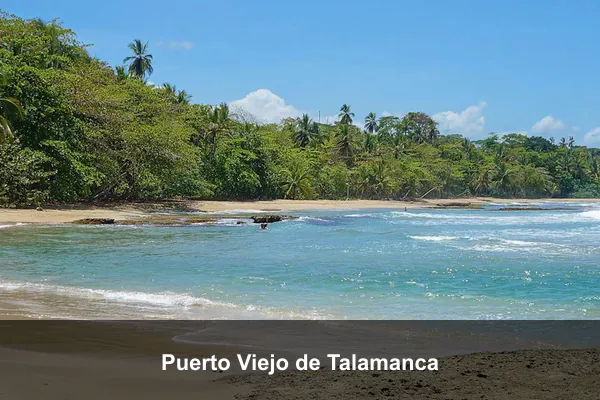
Puerto Viejo de Talamanca, on Costa Rica’s southeastern Caribbean coast near the Panama border, is where Afro-Caribbean culture, reggae vibes, and a laid-back rhythm define the trip. Come for Caribbean food and easy beach hopping between stretches like Cocles, Chiquita, and Punta Uva, then stay for bike-friendly exploring along the coast. Renting a bicycle is one of the best ways to get around, but start your beach ride early to avoid peak midday heat and passing traffic. March-April and September-October often bring sunnier spells here, making them great windows for beach days, surfing, and relaxed outdoor time. From San Jose (SJO), access is simple by road in roughly 4.5-5.5 hours.
| Best for | Caribbean food, beach days, bike-friendly exploring |
|---|---|
| Location | Southeastern Caribbean coast near the Panama border |
| Best time | March-April and September-October often see sunnier spells |
| Access | 4.5-5.5 hrs by road from SJO |
Additional Info: Start beach cycling early to avoid peak midday heat and passing traffic.
Rio Celeste in Tenorio Volcano National Park
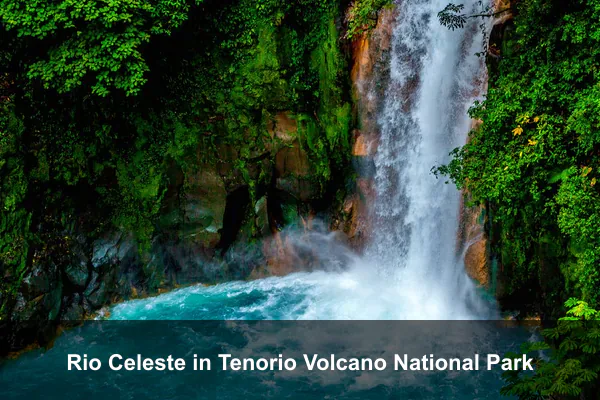
Rio Celeste in Tenorio Volcano National Park is one of Costa Rica’s most photogenic day hikes, perfect for couples and nature lovers who want to see a vivid blue river and waterfall created by unique volcanic mineral chemistry. The trail passes through rainforest to river viewpoints and the main falls, making it a rewarding half-day outing in northern Costa Rica near Bijagua. Visit between February and April for clearer blue color and better trail conditions, and go in the morning, since afternoon rain often reduces visibility of the famous hue. Access is straightforward by road: about 1.5 hours from La Fortuna or around 2.5 hours from Liberia International Airport (LIR).
| Best for | Photogenic day hikes, couples, nature lovers |
|---|---|
| Location | Northern Costa Rica near Bijagua |
| Best time | February-April for clearer color and better trails |
| Access | 1.5 hrs from La Fortuna or 2.5 hrs from LIR by road |
Additional Info: Go in the morning because afternoon rain can reduce visibility of the blue hue.
Santa Teresa & Mal Pais

Santa Teresa and Mal Pais, on the southwestern Nicoya Peninsula in Puntarenas, are ideal if your Costa Rica trip centers on surf breaks, yoga retreats, and a laid-back sunset beach culture. Days here are built around morning sessions on consistent Pacific waves, wellness classes in jungle-fringed studios, and golden-hour walks along wide sandy shores before seafood dinners and low-key nightlife. Visit between December and April for the most reliable sunshine and cleaner road conditions. Access is usually via ferry plus road transfer from San Jose (SJO), or by shuttle from Liberia (LIR). In peak season, reserve a 4×4 or ATV early to move more easily between beaches and rough side roads.
| Best for | Surfing, yoga retreats, sunset beach culture |
|---|---|
| Location | Southwestern Nicoya Peninsula, Puntarenas |
| Best time | December-April for reliable sun and cleaner roads |
| Access | Ferry plus road from SJO or shuttle from LIR |
Additional Info: Reserve a 4×4 or ATV in peak season for easier movement on rough side roads.
Poas Volcano National Park

Poas Volcano National Park, in Alajuela Province’s Central Valley highlands, is one of the best high-impact stops near San Jose for a first or last day, especially if you want a quick volcano visit with short walks instead of a full hike. In about 1.5–2 hours by road from the capital, you can reach the main crater viewpoint, stroll easy trails through misty forest, and still have time for nearby coffee-country stops. Visit in the early morning year-round for the clearest crater views, and book the first timed entry slot, since cloud cover often builds by late morning and can completely hide the crater.
| Best for | Quick volcano visit, short walks, first or last day |
|---|---|
| Location | Alajuela Province, Central Valley highlands |
| Best time | Early mornings year-round for crater visibility |
| Access | 1.5-2 hrs by road from San Jose |
Additional Info: Book the first timed slot since cloud cover often builds by late morning.
Uvita & Marino Ballena National Park
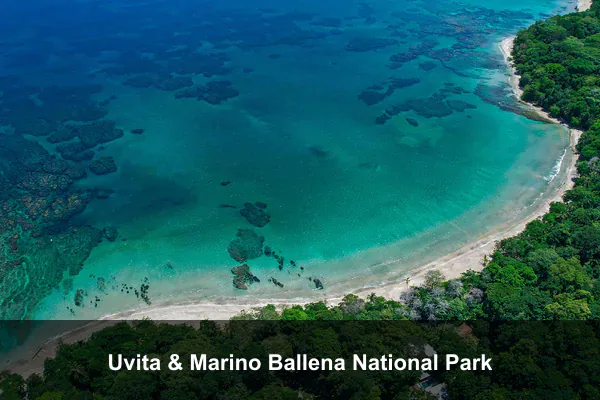
Uvita and Marino Ballena National Park, on Costa Rica’s South Pacific coast in Puntarenas Province, is ideal for whale watching, snorkeling, and a quieter Pacific stay. Visit in July-October or December-March to catch humpback migration, then enjoy calm beaches and clear-water snorkeling in sheltered bays. The park’s famous Whale Tail sandbar is the highlight, but check tide charts before you go so you can walk it safely at low tide and avoid being stranded as the water rises. Uvita is an easy add-on from San José, about 3.5-4.5 hours by road from SJO, and public buses usually connect via Dominical.
| Best for | Whale watching, snorkeling, quieter Pacific stays |
|---|---|
| Location | South Pacific coast, Puntarenas Province |
| Best time | July-October and December-March for humpbacks |
| Access | 3.5-4.5 hrs by road from SJO; buses via Dominical |
Additional Info: Check tide charts before visiting the Whale Tail so you can walk it safely at low tide.
Tips Before You Go
Book park entries early where timed reservations are required, and confirm road or boat conditions before committing to remote areas like Tortuguero or Corcovado. To reduce long backtracking days, consider flying into one major airport and out of the other if your route crosses both coasts.
Pack for changing weather in every season: a light rain shell, quick-dry clothing, reef-safe sunscreen, insect repellent, and proper footwear for wet trails. Keep some cash for smaller towns, check tide times for coastal plans, and maintain safe wildlife distance to protect habitats and avoid penalties.
