

Oman is one of the easiest countries in the Arabian Peninsula to self-drive, but the smartest way to plan is by terrain and season: coastal heritage in Muscat, forts and markets inland, high Al Hajar mountains, Sharqiyah dunes and turtle beaches, then Dhofar’s monsoon south. This guide is structured as a practical route, so every stop includes clear timing and access notes.
If you have 7 days, focus on Muscat, Nizwa, one mountain base, a wadi, and a desert overnight. With 10 days or more, add Ras Al Jinz and a Salalah extension for a completely different landscape. The sections below are designed to help you choose places that feel distinct, not repetitive.
Mutrah Corniche and Mutrah Souq (Muscat)
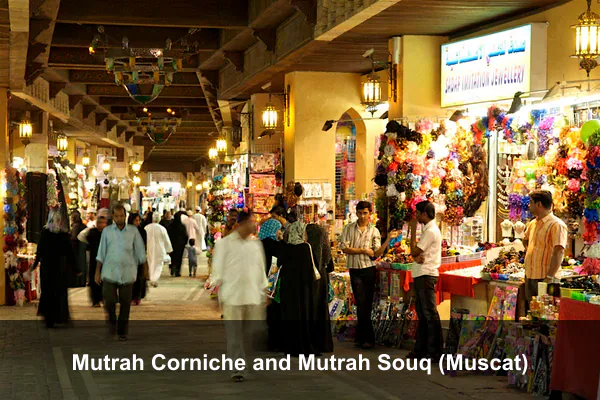
Begin your Oman trip in Muscat’s Mutrah district, where the palm-lined Corniche and harbor views make an easy first-day orientation walk before diving into the city’s street life. Stroll the waterfront, watch dhows in the bay, then step into Mutrah Souq for frankincense, silver, textiles, and lively local bargaining. It is one of the best places in Oman for shopping and classic market atmosphere, especially from November to March when evenings are cooler. Take a taxi from central Muscat (about 10–15 minutes), and arrive just before dusk to browse quieter lanes and capture better photos before the post-sunset crowds build.
| Best for | First-day orientation, shopping, local street life |
|---|---|
| Location | Mutrah district, Muscat |
| Best time | November to March, especially evenings |
| Access | 10-15 minute taxi ride from central Muscat |
Additional Info: Souq lanes get busiest after sunset, so visit just before dusk for easier browsing and better photos.
Sultan Qaboos Grand Mosque
Sultan Qaboos Grand Mosque in Bawshar, Muscat, is one of Oman’s defining modern landmarks, best visited for its grand architecture, cultural insight, and a calm morning atmosphere. Arrive during morning visiting hours in the cooler months to walk the immaculate courtyards, admire the prayer hall’s craftsmanship, and learn about Omani design and Islamic heritage with respectful dress. It is easy to reach, about 20 minutes by car from Muscat Airport, making it a practical first or last stop in the capital. Non-Muslim entry windows are limited, so confirm same-day timings before you go.
| Best for | Architecture, culture, calm morning visit |
|---|---|
| Location | Bawshar, Muscat |
| Best time | Morning visiting hours, cooler months |
| Access | About 20 minutes by car from Muscat Airport |
Additional Info: Non-Muslim visiting windows are limited, so confirm same-day timings before you go.
Nizwa Fort and Friday Goat Market
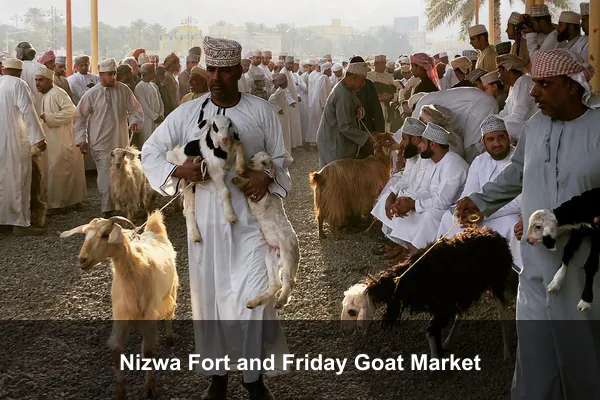
Nizwa in Ad Dakhiliyah is one of Oman’s most rewarding day trips, pairing deep heritage with living market culture. Start at Nizwa Fort to climb its massive circular tower, then walk into the old souq before heading to the Friday Goat Market, where traders and buyers circle the market ring in a fast, traditional auction scene. Arrive before 7:00 a.m. on Friday to catch peak activity, then stay to explore crafts, dates, and local food. It’s best visited from October to April, and easily reached from Muscat in about 1.5 to 2 hours via Route 15.
| Best for | Heritage, market culture, day trip |
|---|---|
| Location | Nizwa, Ad Dakhiliyah |
| Best time | Friday early morning for market; October to April overall |
| Access | 1.5-2 hours by road from Muscat via Route 15 |
Additional Info: Arrive before 7:00 a.m. on Friday to watch the market ring at peak activity.
Jebel Akhdar
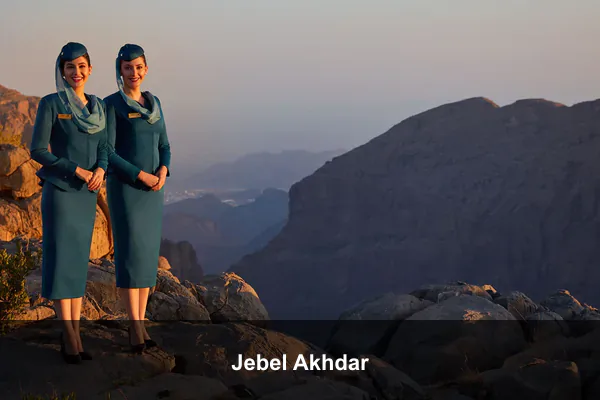
Jebel Akhdar, on the Saiq Plateau in the Al Hajar range, is one of Oman’s best escapes for dramatic mountain scenery, terrace walks, and refreshingly cooler weather. Spend your days hiking between stone villages and stepped farms, then visit in March-April to see the famous rose season, when petals are distilled into rose water; September-April is ideal for longer treks. Practical note: you can only drive up from the Birkat Al Mouz checkpoint in a 4×4, so plan transport in advance. For weekend trips, local demand is high and mountain hotels often sell out, so reserve Thursday-Friday nights early.
| Best for | Mountain scenery, terrace walks, cooler weather |
|---|---|
| Location | Saiq Plateau, Al Hajar range |
| Best time | March-April for roses; September-April for hiking |
| Access | 4×4 required from Birkat Al Mouz checkpoint |
Additional Info: Weekend mountain stays fill quickly with local travelers, so book Thursday-Friday nights early.
Jebel Shams and the Balcony Walk
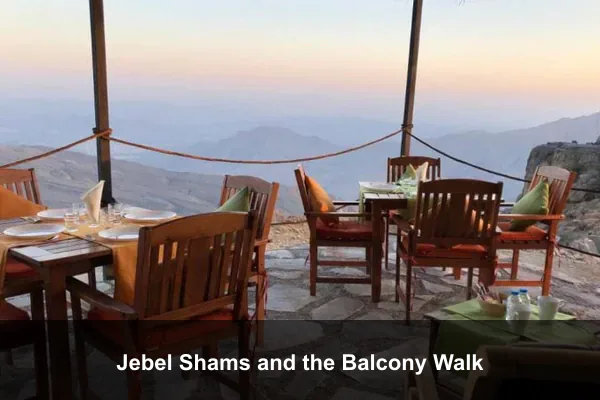
Jebel Shams, near Al Hamra in Ad Dakhiliyah, is one of Oman’s most rewarding mountain escapes, best for canyon viewpoints, hiking, and dramatic photography. The Balcony Walk follows the canyon edge above Wadi Ghul, often called Oman’s Grand Canyon, delivering big views for moderate effort. Plan a daytime hike, pause at cliffside lookouts, and bring water, sun protection, and sturdy shoes for uneven sections. October to April is the best time to visit, with cooler conditions for walking. From Muscat, expect a 2.5-3 hour drive, including a rough final approach, and pack a light layer because temperatures can drop quickly at elevation, even on warm days.
| Best for | Canyon viewpoints, hiking, photography |
|---|---|
| Location | Near Al Hamra, Ad Dakhiliyah |
| Best time | October to April, daytime hikes |
| Access | 2.5-3 hours from Muscat; rough final approach |
Additional Info: Temperatures drop fast at elevation, so carry a light layer even on warm days.
Misfat Al Abriyeen
Misfat Al Abriyeen, near Al Hamra in Ad Dakhiliyah, is one of Oman’s most atmospheric heritage villages, where stone homes, shaded lanes, falaj water channels, and terraced date palms invite you to slow down. It is best for village heritage, easy walking, and a warm homestay feel, with simple pleasures like wandering old alleys, pausing at viewpoints, and soaking up daily life. Plan your visit from October to March, when cooler temperatures make exploring on foot much more comfortable. Access is straightforward: drive about 30 minutes from Al Hamra, then complete the final stretch on foot. Stay on signed paths, since many lanes pass private houses and working farms.
| Best for | Village heritage, walking, homestay feel |
|---|---|
| Location | Near Al Hamra, Ad Dakhiliyah |
| Best time | October to March |
| Access | 30 minutes from Al Hamra; final visit on foot |
Additional Info: Stay on signed paths because many lanes pass private homes and active farms.
Wadi Bani Khalid
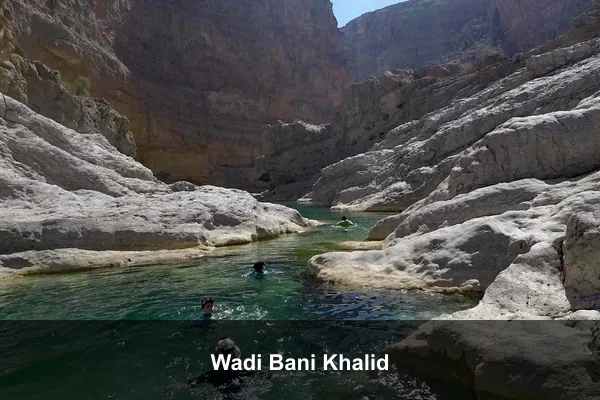
Wadi Bani Khalid in Ash Sharqiyah North is one of Oman’s easiest nature escapes, with clear turquoise pools ideal for swimming and gentle short walks, making it a great family-friendly stop on a road trip. About 2.5-3 hours by road from Muscat, it suits travelers who want dramatic scenery without a demanding hike. Visit between October and April for the most comfortable weather, and aim for morning arrival to enjoy quieter pools before day-trippers arrive. Bring water shoes, as rocks around the deeper sections can be slick.
| Best for | Swimming, short walks, family-friendly stop |
|---|---|
| Location | Ash Sharqiyah North |
| Best time | October to April, mornings for fewer crowds |
| Access | About 2.5-3 hours by road from Muscat |
Additional Info: Water shoes help on slick rocks around the deeper pools.
Sharqiya Sands (Wahiba Sands) Desert Camp
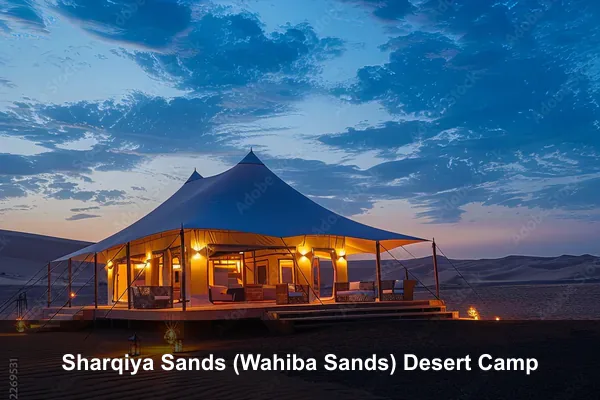
For an unforgettable Oman desert experience, spend a night at a camp in Sharqiya Sands (Wahiba Sands), reached via the Bidiyah gateway in Ash Sharqiyah. It is best for desert camping, dune drives, and dazzling night skies, with golden-hour sunsets rolling across the dunes and clear stargazing after dark. Many camps offer warm Bedouin-hosted hospitality, traditional meals, and storytelling that add cultural depth to the adventure. Visit between November and March for the most comfortable conditions, then travel by road to Bidiyah and continue by 4×4 transfer into the dunes. Even in cool season, pack a warm layer, as temperatures can drop quickly after sunset.
| Best for | Desert camping, dune drives, night skies |
|---|---|
| Location | Bidiyah gateway, Ash Sharqiyah |
| Best time | November to March |
| Access | Road to Bidiyah, then 4×4 transfer into dunes |
Additional Info: Pack a warm layer because desert temperatures can drop sharply after dark.
Ras Al Jinz Turtle Reserve
Ras Al Jinz Turtle Reserve, on the Ras Al Hadd peninsula in South Sharqiyah, is one of Oman’s top spots for wildlife viewing, especially if you want a guided conservation-focused experience. Join an evening or night walk with reserve guides to watch sea turtles nest on the beach, with the best sightings usually from May to September, though tours operate year-round. Book ahead in peak months, arrive quietly, and follow ranger instructions closely. Flash is strictly prohibited during turtle viewing, so set your phone camera to no-flash before the walk begins. The reserve is easy to combine with the coast: about 1 hour from Sur and roughly 3.5 to 4 hours by road from Muscat.
| Best for | Wildlife viewing, guided conservation visits |
|---|---|
| Location | Ras Al Hadd peninsula, South Sharqiyah |
| Best time | May to September peak nesting; tours year-round |
| Access | 1 hour from Sur; 3.5-4 hours from Muscat |
Additional Info: Flash is prohibited during turtle viewing, so keep your phone camera settings adjusted in advance.
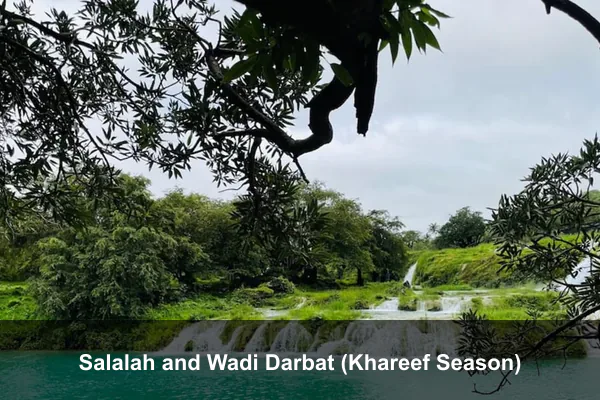
Salalah and Wadi Darbat (Khareef Season)
For a completely different side of Oman, head to Salalah and Wadi Darbat in Dhofar Governorate, where the June-September khareef monsoon turns hills vivid green, fills wadis, and creates seasonal waterfalls ideal for scenic drives, boat rides, and easy walks in cool, misty air. Base yourself around Salalah to explore mountain viewpoints, Darbat’s flowing streams, and nearby beaches, then return in October-February if you prefer sunnier coastal days. This region is best for travelers seeking summer relief and lush landscapes rather than desert scenery. The easiest access is a direct flight from Muscat, though a long overland drive is possible; during khareef weekends, book hotels and rental cars well in advance because demand spikes quickly.
| Best for | Khareef greenery, scenic drives, cooler summer weather |
|---|---|
| Location | Dhofar Governorate, around Salalah |
| Best time | June-September for khareef; October-February for coast |
| Access | Direct flight from Muscat or long overland drive |
Additional Info: Khareef weekends are busy, so reserve hotels and rental cars well ahead.
Tips Before You Go
Driving is straightforward, but distances are longer than they appear on maps, so refuel before mountain or desert stretches and avoid wadi crossings after heavy rain. Pack modest clothing for mosques and villages, plus sun protection, water shoes, and some cash for smaller markets and roadside stops.
Book turtle tours, mountain stays, and desert camps early in peak months, and visit major sights in the morning to avoid heat and crowds. Recheck visa requirements, attraction opening times, and seasonal weather windows, especially khareef timing in Salalah, before finalizing your itinerary.
