

Croatia is most rewarding when you combine its famous Adriatic cities with inland nature and one or two island clusters, instead of trying to see every beach town in one trip. This plan highlights 10 places that deliver a complete first-time experience: medieval walls, Roman ruins, waterfall parks, island ports, and regional food-and-wine stops.
To keep the guide practical and distinct, each pick is organized around realistic transport flow by bus, ferry, or short drives. You can use it to build a north-to-south route or a coast-first loop with minimal backtracking and better use of your travel days.
Dubrovnik Old Town and City Walls
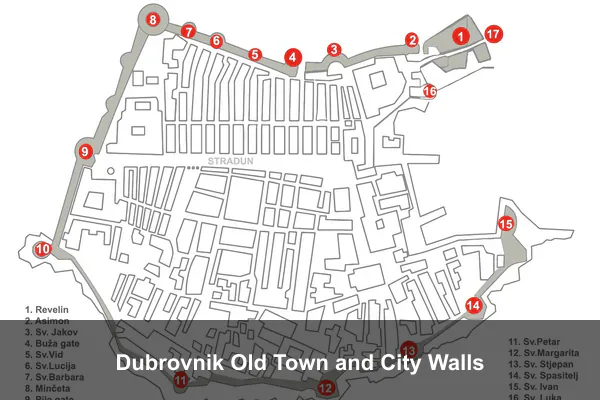
Dubrovnik Old Town and its monumental City Walls are Croatia’s signature heritage stop, ideal for medieval history and panoramic Adriatic views. Inside the UNESCO-listed core in Dubrovnik, Southern Dalmatia, you can wander polished limestone lanes, baroque squares, and sea-facing bastions before circling the walls for sweeping views over terracotta roofs and the coast. Start your walls walk right at opening time from Pile Gate to stay ahead of peak cruise-hour crowds and heat. For the best balance of weather and lighter foot traffic, plan your visit in May-June or September-October. Access is straightforward: fly to Dubrovnik Airport, then take a 30-40 minute shuttle or taxi into the Old Town area.
| Best for | Medieval history and panoramic Adriatic views |
|---|---|
| Location | Dubrovnik, Southern Dalmatia |
| Best time | May-June and September-October |
| Access | Fly to Dubrovnik Airport, then 30-40 min shuttle or taxi |
Additional Info: Start the walls walk at opening time from Pile Gate to avoid peak cruise-hour congestion.
Split Old Town and Diocletian's Palace
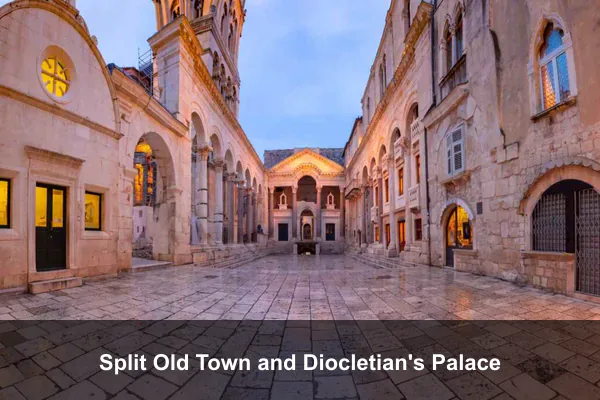
Split Old Town centers on Diocletian’s Palace, making Split in Central Dalmatia a top stop for Roman archaeology while doubling as Croatia’s most practical ferry hub. Visit in April-June or September for pleasant weather and lighter crowds, then explore the palace cellars, Peristyle, and Cathedral of Saint Domnius before strolling the Riva. From the nearby port, you can easily connect to islands like Hvar, Brac, and Vis, so history sightseeing and island-hopping fit into one base. Getting there is straightforward via Split Airport or a direct intercity bus, and once you arrive, the port and old town are walkable. For a calmer atmosphere and better photos, return to the palace after 9 pm when the courtyards are much quieter.
| Best for | Roman archaeology and ferry connections |
|---|---|
| Location | Split, Central Dalmatia |
| Best time | April-June and September |
| Access | Split Airport or direct intercity bus; port and old town are walkable |
Additional Info: Explore the palace after 9 pm for quieter courtyards and better photos.
Plitvice Lakes National Park

Plitvice Lakes National Park, in Croatia’s Lika region between Zagreb and Zadar, is best for travelers seeking spectacular waterfall scenery and easy nature trails. Plan a full day by linking wooden boardwalk loops with electric lake boats and shuttle buses, then stop at major viewpoints above Veliki Slap and the turquoise upper lakes. Visit in May, June, or September for the best mix of color, water flow, and comfortable weather. Book timed-entry tickets in advance and arrive early, whether you come by bus or self-drive, since entry slots can fill fast. In busy months, Entrance 2 often works better for upper-lakes circuits before you loop down toward the lower waterfalls.
| Best for | Waterfall scenery and easy nature trails |
|---|---|
| Location | Lika region (between Zagreb and Zadar) |
| Best time | May, June, and September |
| Access | Bus or self-drive; timed-entry tickets recommended |
Additional Info: Entrance 2 often works better for upper-lakes circuits during busy months.
Hvar Town and the Pakleni Islands
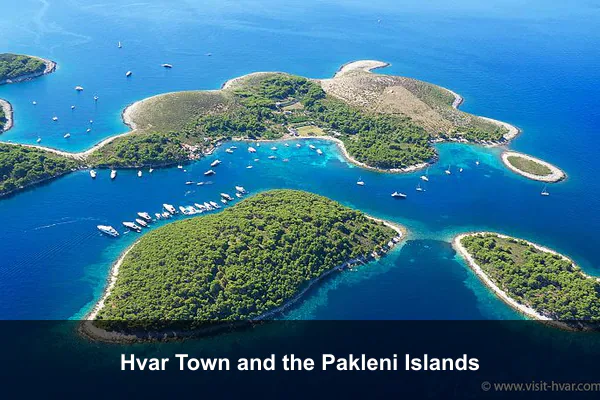
Hvar Town, on Hvar Island in Central Dalmatia, is one of Croatia’s best summer bases for island hopping, with quick boat access to the Pakleni Islands’ pine-fringed coves and clear swimming spots. Spend the day moving between beach bays, then return to the harbor for seafront dining and a nightlife scene that keeps the town lively after sunset, especially in June and September. The easiest way in is a catamaran from Split to Hvar Town, and it is smart to book ahead during busy weeks. Also secure your return ferry early, because evening departures fill quickly.
| Best for | Island hopping and summer atmosphere |
|---|---|
| Location | Hvar Island, Central Dalmatia |
| Best time | June and September |
| Access | Catamaran from Split to Hvar Town (book ahead) |
Additional Info: Secure your return ferry early because evening departures fill quickly.
Korcula Old Town and Lumbarda Vineyards
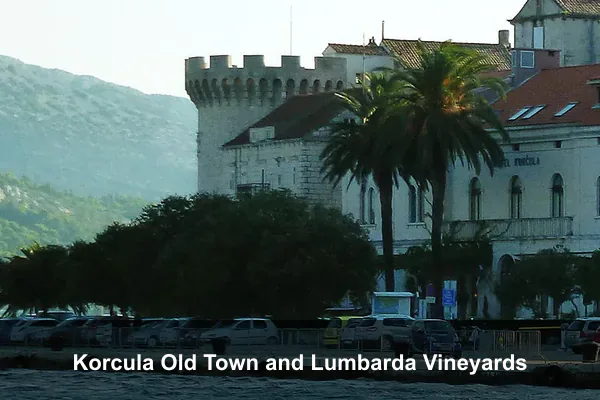
Korcula Old Town and nearby Lumbarda on Korcula Island in South Dalmatia are ideal for travelers who want history with wine tasting in one easy island stop. Wander the compact medieval walls, stone lanes, and seafront towers of Korcula, then head a few minutes east to Lumbarda for beach time and cellar visits. This is the place to try Grk, a rare local white grown almost exclusively in Lumbarda’s sandy vineyards. Plan your visit between June and October for warm sea days and lively terraces. Reach the island by catamaran from Split or Dubrovnik, or take the ferry via Orebic for flexible mainland connections.
| Best for | History with wine tasting |
|---|---|
| Location | Korcula Island, South Dalmatia |
| Best time | June-October |
| Access | Catamaran from Split or Dubrovnik, or ferry via Orebic |
Additional Info: Try Grk wine in Lumbarda, where this variety is grown almost exclusively.
Zadar Sea Organ and Greeting to the Sun
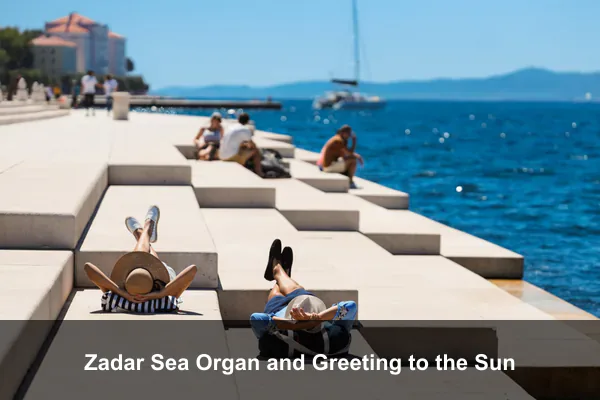
In Zadar, Northern Dalmatia, the Sea Organ and Greeting to the Sun create one of Croatia’s most memorable sunset spots and a standout example of contemporary public art. Start with an easy walk through the compact old town, then reach the waterfront to hear wave-driven organ notes and watch the solar light installation come alive after dusk. Arrive 30 to 45 minutes before sunset to secure a good step seat at the Sea Organ. For pleasant weather and lighter crowds, plan your visit in May-June or September. Zadar is easy to reach via Zadar Airport or frequent buses from Split and Zagreb.
| Best for | Sunsets and contemporary public art |
|---|---|
| Location | Zadar, Northern Dalmatia |
| Best time | May-June and September |
| Access | Zadar Airport or frequent buses from Split/Zagreb |
Additional Info: Arrive 30 to 45 minutes before sunset to get a good step seat at the Sea Organ.
Rovinj Old Town and Zlatni Rt Forest Park
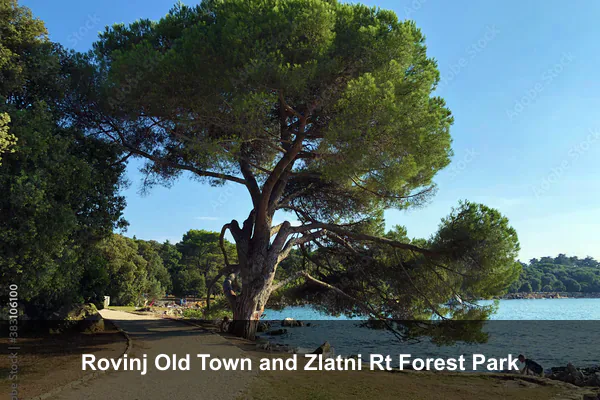
Rovinj, in western Istria, is one of Croatia’s most romantic destinations, blending Venetian-style old-town charm with easy outdoor adventure at nearby Zlatni Rt Forest Park. Wander cobbled lanes and sea-facing squares for classic Istrian atmosphere, then switch to two wheels on shaded cycling routes through the protected park, with rocky coves for clear-water swimming between rides. May-June and September are ideal for warm days, softer light, and lighter crowds. Access is straightforward via Pula Airport, followed by about a 40-minute drive or bus to Rovinj. Since vehicle access is limited in the historic center, park outside the old core and continue on foot for the best experience.
| Best for | Romance, cycling, and Istrian atmosphere |
|---|---|
| Location | Rovinj, Western Istria |
| Best time | May-June and September |
| Access | Pula Airport plus 40-minute drive or bus |
Additional Info: Park outside the old core and walk in, since historic-center vehicle access is limited.
Krka National Park and Skradin
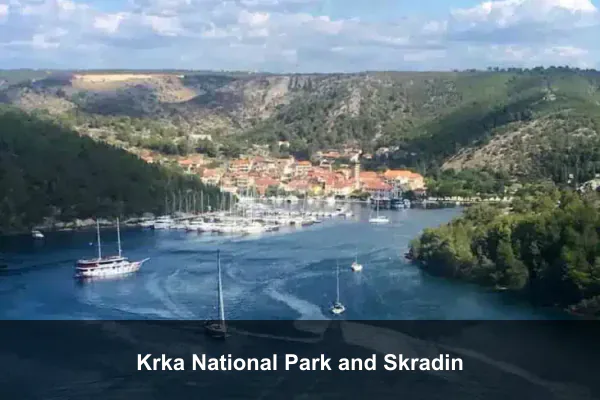
Krka National Park, in the Dalmatian hinterland near Sibenik, is ideal for travelers who want dramatic waterfalls on an easy day trip from coastal Dalmatian cities without committing to long hikes. The park’s flexible entrances at Skradin and Lozovac let you plan short, well-marked trails through river viewpoints, forest shade, and boardwalk scenery, with plenty of photo stops. For the most atmospheric start, enter via Skradin and take the scenic boat approach, then walk in the cooler morning hours before midday crowds. Visit in April-June or September-October for mild weather and greener landscapes; access is simple: take a bus or train to Sibenik, then continue to Skradin or Lozovac.
| Best for | Waterfalls on a day trip from Dalmatian cities |
|---|---|
| Location | Near Sibenik, Dalmatia hinterland |
| Best time | April-June and September-October |
| Access | Reach Sibenik by bus/train, then continue to Skradin or Lozovac |
Additional Info: Enter via Skradin for a scenic boat approach and cooler morning walking conditions.
Peljesac Peninsula and Ston Walls

Set in Dubrovnik-Neretva County, the Peljesac Peninsula and the Ston Walls are one of Croatia’s best stops for seafood, history, and wine routes: start early with a walk along the Ston walls for fortress views, then head to Mali Ston around lunch for fresh oyster tastings straight from the bay. Afterward, continue to family-run cellars for serious Peljesac reds, especially Plavac Mali. The easiest access is to drive or take a bus north from Dubrovnik via the Peljesac Bridge, so it works well as a day trip or overnight detour. For the best balance of weather and crowd levels, visit in May-June or September-October.
| Best for | Seafood, history, and wine routes |
|---|---|
| Location | Dubrovnik-Neretva County |
| Best time | May-June and September-October |
| Access | Drive or bus north from Dubrovnik via Peljesac Bridge |
Additional Info: Walk the Ston walls early, then do oyster tasting in Mali Ston around lunch hours.
Zagreb Upper Town and Dolac Market
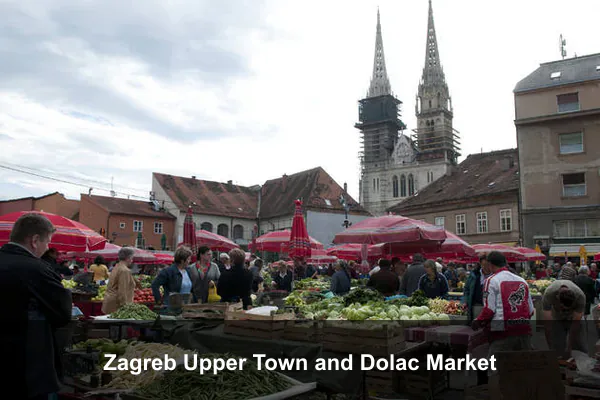
Zagreb’s Upper Town adds a cultural counterpoint to Croatia’s coast, with cobbled lanes, cathedral views, and compact museums, while nearby Dolac Market brings local food traditions to life with seasonal produce, cheeses, and cured meats. Visit Dolac before 10:00 for the best selection and the liveliest local atmosphere, then wander to St. Mark’s Square and historic streets filled with cafes. In inland Croatia, Zagreb is ideal in April–June and September–December, when weather is pleasant for walking and museum-hopping. Access is straightforward: fly to Zagreb Airport, then take the airport shuttle and tram to the city center.
| Best for | City culture and local food traditions |
|---|---|
| Location | Zagreb, Inland Croatia |
| Best time | April-June, September-December |
| Access | Fly to Zagreb Airport, then shuttle/tram to center |
Additional Info: Visit Dolac before 10:00 for the best produce selection and liveliest local atmosphere.
Tips Before You Go
Book ferries and national-park tickets as soon as your dates are set, especially from June to September, and leave buffer time before international flights because sea schedules can change with weather.
Croatia uses the euro and cards are common, but keep small cash for markets, parking, and island kiosks; pack sun protection, water shoes, and a light layer for cooler evenings on the coast and ferries.
